

#61 Rust comes to Lambda (Kind of) 🦀
This week, our expert is AWS Community Builder Davide de Paolis, our spotlight falls on AWS Hero Kenta Goto, and we look at the latest service releases, news, & more!


Welcome
In last week’s issue, our serverless expert was AWS Hero Dheeraj Choudhary, and our spotlight fell on AWS Hero Johannes Koch!
This week, our serverless expert is AWS Community Builder Davide de Paolis, our spotlight falls on AWS Hero Kenta Goto, and we look at the latest AWS service releases, blog posts, hints and tips, news and more!
This week’s newsletter is sponsored by Leighton.
🦸🏽 New AWS Heroes!
This week, we are celebrating the final AWS Heroes of 2025! We have:

• Dimple Vaghela (India) – Community Hero
• Rola Dali (Canada) – Community Hero
• Vivek V. (Canada) – Machine Learning Hero
Looking forward to meeting them!
📰 Articles that caught the eye
Here are some stand-out articles I read during the week in the World of Serverless, AI, Engineering and Architecture!
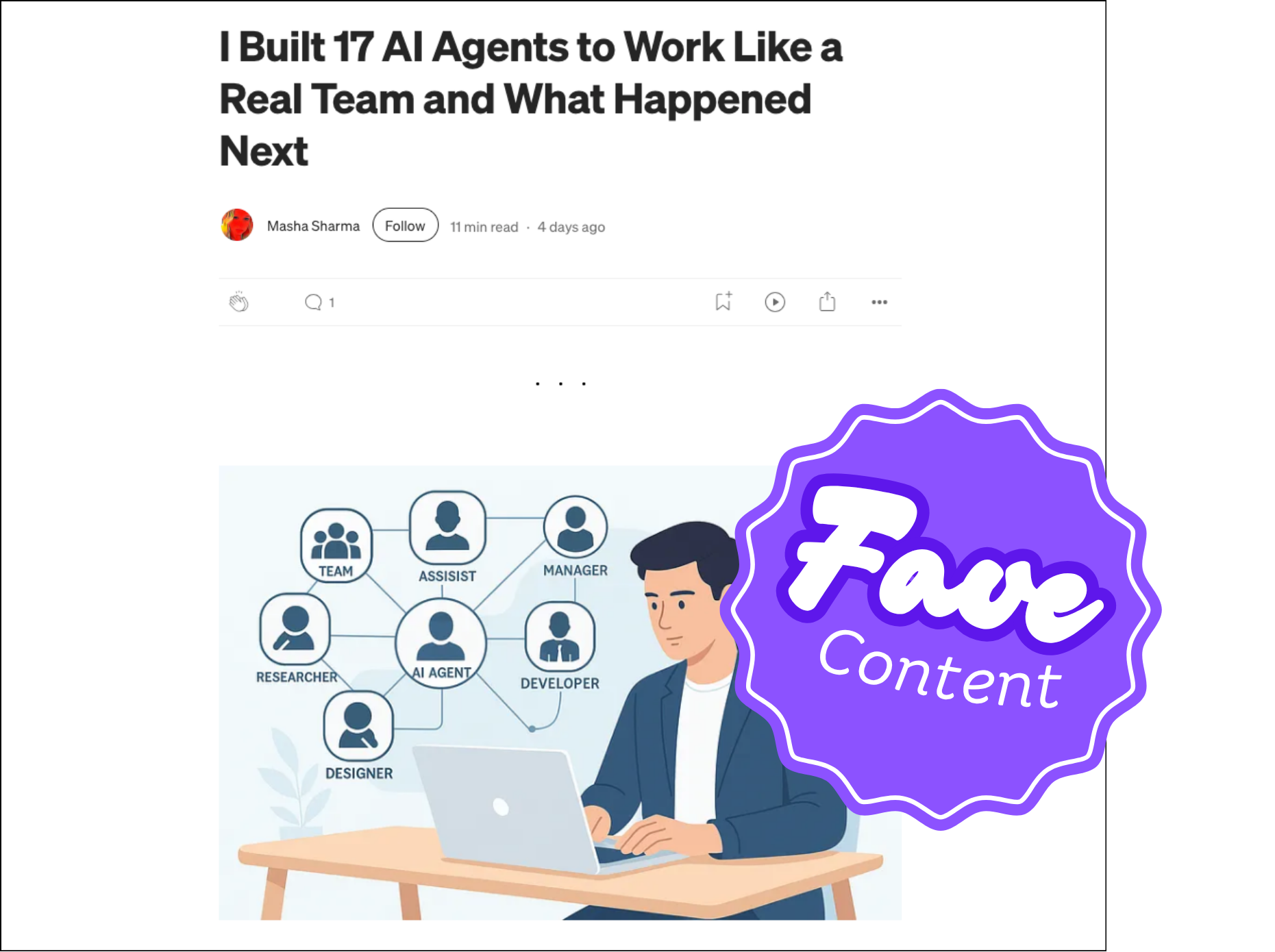
⭐ My favourite article this week was on orchestrating 17 sub agents, each with their own roles and skillsets.
Jake Bazin covers “Building Flexible AI Model Training Pipelines on AWS“.
Renato Losio discusses “Race Condition in DynamoDB DNS System: Analyzing the AWS US-EAST-1 Outage“.
Robert Bradley has a three part series called “Building Your First MCP Server with Kiro’s Spec-Driven Development (Part 1: Setup)“.
Lee Harding discusses “IaC First: Unconventional with Intent“.
Lucas Vera Toro covers “Never lose an event: Outbox Pattern with DynamoDb + Eventbridge Pipes“.
Masha has a great article titled “I Built 17 AI Agents to Work Like a Real Team and What Happened Next“.
Shramish Kafle discusses “Building a Production Ready Multi Account AWS Landing Zone with Control Tower and Terraform“.
Benjamen Pyle asks the question “Does Serverless Still Matter?“.
🎓 Ask the Expert
Each week, I ask a different serverless expert the same three questions to get their personal insights - this week, we have AWS Community Builder Davide de Paolis:

Opinions are the author’s and do not express the views of their employer.
1. What is one common mistake you see teams making when implementing serverless solutions, and how can they avoid it?
I often see teams struggling trying to replicate their local development workflows when building serverless systems, especially by trying to run and debug everything locally.
Serverless is meant to run in the cloud. You don’t need necessarily mocks or local simulators for S3, DynamoDB, or SQS, they’ll only slow you down and give you false confidence.
My advice: it runs on the cloud, so test it on the cloud. Deploy small ephemeral test stacks via CDK, SAM, Serverless framework etc and debug your code in your IDE against the real deployed resources. You’ll get faster, more accurate feedback and fewer surprises in production. Sure, for massive load tests local setups can help saving some bucks $$$, but for day-to-day development iterations, nothing beats the real thing.
2. Which serverless tool or service are you most excited about right now, and why?
After building serverless apps for years, I’ve spent the last couple of years working in a company where (sadly) around 90% of workloads run on Kubernetes (EKS). It’s been… educational.
At the beginning, I thought it was me, that I was spoiled, that I did not understand K8S because of a lack of familiarity. But that was not the case, even with EKS Auto Mode and Karpenter, teams have to spend so much time managing configuration, scaling, and infrastructure - all the things I never had to worry about with serverless!
So even though I haven’t jumped on a brand-new service recently, I’m still genuinely excited about serverless itself. Every day I see the contrast, and I’m reminded how liberating it is to focus on delivering features instead of fiddling with clusters. (And this experience is what I recently brought at a couple of AWS Community Days with my talk in co-speaking ”Serverless vs Kubernetes: the final showdown“ )
I still love Lambda’s event-driven model and how EventBridge Pipes simplify connecting services : it’s clean, scalable, and removes glue code.
3. What is your favourite trick or tip when working with serverless that the readers may find interesting?
Keep your Lambda handler as simple and dumb as possible: it should be just a thin entry point. All your real logic should live in separate modules. That way, if one day you need to containerise your function, you can just change the entry point instead of rewriting everything.
Use Middy (for Node.js) to eliminate boilerplate and handle repetitive concerns like validation, error handling, and parsing so that you can focus on business logic. And similarly, rely on AWS Lambda Powertools (for Typescript and Python), which is amazing for structured logging, custom metrics, and idempotency.
Finally, start simple. Don’t over-optimise from day one. Once your system is stable, look for places where direct integrations (like API Gateway → DynamoDB or SQS) make sense. They’re incredibly fast and cost-efficient, but beware, working with Velocity Template Language (VTL) for request/response mapping can be painful. It’s powerful, but definitely not fun, or easily testable.
At the end of the day, what I love most about serverless is the mindset it promotes. Where containerised solutions often grow into bigger blocks (not necessarily monoliths, but still big), serverless pushes you to think in small, composable building pieces. Everything stays clean, focused, and easy to reason about, reducing cognitive load and making iteration fast and natural.
✅ Bonus tip: join the hashtag#believeinsls discord! There is a community there to answer any questions you may have without getting overzealous on serverless or without judgment! Check it out!…
🧠 Tips & Tricks
This week’s tip is from AWS Hero Michael Walmsley:

This is a great tip, as I previously did this in a different way; asking Kiro to create one task and the rest sub tasks, which means Kiro went straight through without being prompted to move to the next task.
What are your Kiro tips or tricks?
🚀 New Releases
Here are the latest and most interesting releases this week in the AWS World:
⭐ This week, my favourite releases were Lambda, SQS and EventBridge new features:
AWS Lambda announces Provisioned Mode for SQS event source mapping (ESM).
AWS Lambda enhances event processing with provisioned mode for SQS event-source mapping.
Application loadbalancer support client credential flow with JWT verification.
AWS Fault Injection Service (FIS) launches new test scenarios for partial failures.
Amazon CloudWatch Logs now supports Network Load Balancer access logs.
Amazon CloudWatch Composite Alarms adds threshold-based alerting.
Amazon ECS improves Service Availability during Rolling deployments.
Announcing Amazon DocumentDB (with MongoDB compatibility) version 8.0.
AWS CloudFormation Hooks adds granular invocation details for Hooks invocation summary.
Amazon Cognito user pools now supports private connectivity with AWS PrivateLink.
🔥 Tip: Check out https://aws-news.com/ for the very latest up-to-date serverless releases as they happen, created by the talented AWS Serverless Hero Luc van Donkersgoed.
✖️ Social of the Week
This week’s social is by Randall DeFauw on LinkedIn, discussing the new Generative AI ATLAS:
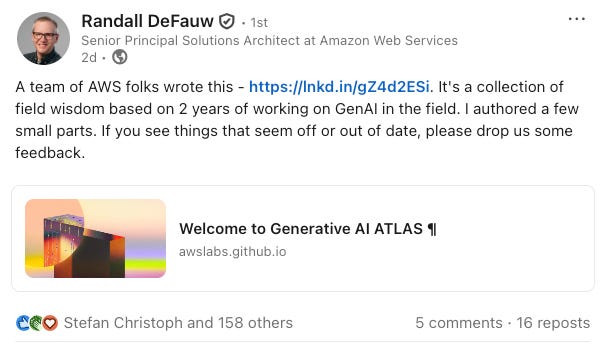
This is a great set of resources for anybody working with generative AI on AWS. It covers everything from the fundamentals and core concepts, through to examples and references.

Have you had a read through yet? Feel free to leave a comment below.
👷🏻 Tools & Frameworks
Check out the latest open-source frameworks, news, and tool updates from the past week.

Lambda Rust Support - AWS Lambda is promoting Rust support from Experimental to Generally Available. This means you can now use Rust to build business-critical serverless applications, backed by AWS Support and the Lambda availability SLA.
eventbrite-email-automation - An automated script system that retrieves event attendee information from Eventbrite, generates personalized check-in QR codes, and sends customized emails to attendees using configurable templates and the Mailgun API.
bugmagnet-ai-assistant - AI assistant command for comprehensive test coverage and bug discovery.
data-api-client - v2.1.13 released, with a number of bug fixes and quality changes.
secrets-store-csi-driver - Use Secrets Store CSI Driver to pull secrets from AWS Secrets Manager.
😂 Just for Fun
This week’s “just for fun” post is by Fabrice Bernhard on LinkedIn (click through as it is video):

Although this post is just for fun, it highlights another key way I personally build teams. Small, autonomous, full-stack, cross-functional teams. Each of the ‘pods’ in my AWS Practice work with three things in mind: urgency, agency, and reducing “hand-offs’ to other teams, which keeps fast flow. That also goes to working as close to the customer/stakeholder as possible, with fast feedback loops.
🎙️ YouTube & Podcasts
Here are some of my favourite videos and podcasts this week covering serverless, AI, architecture, and software engineering.
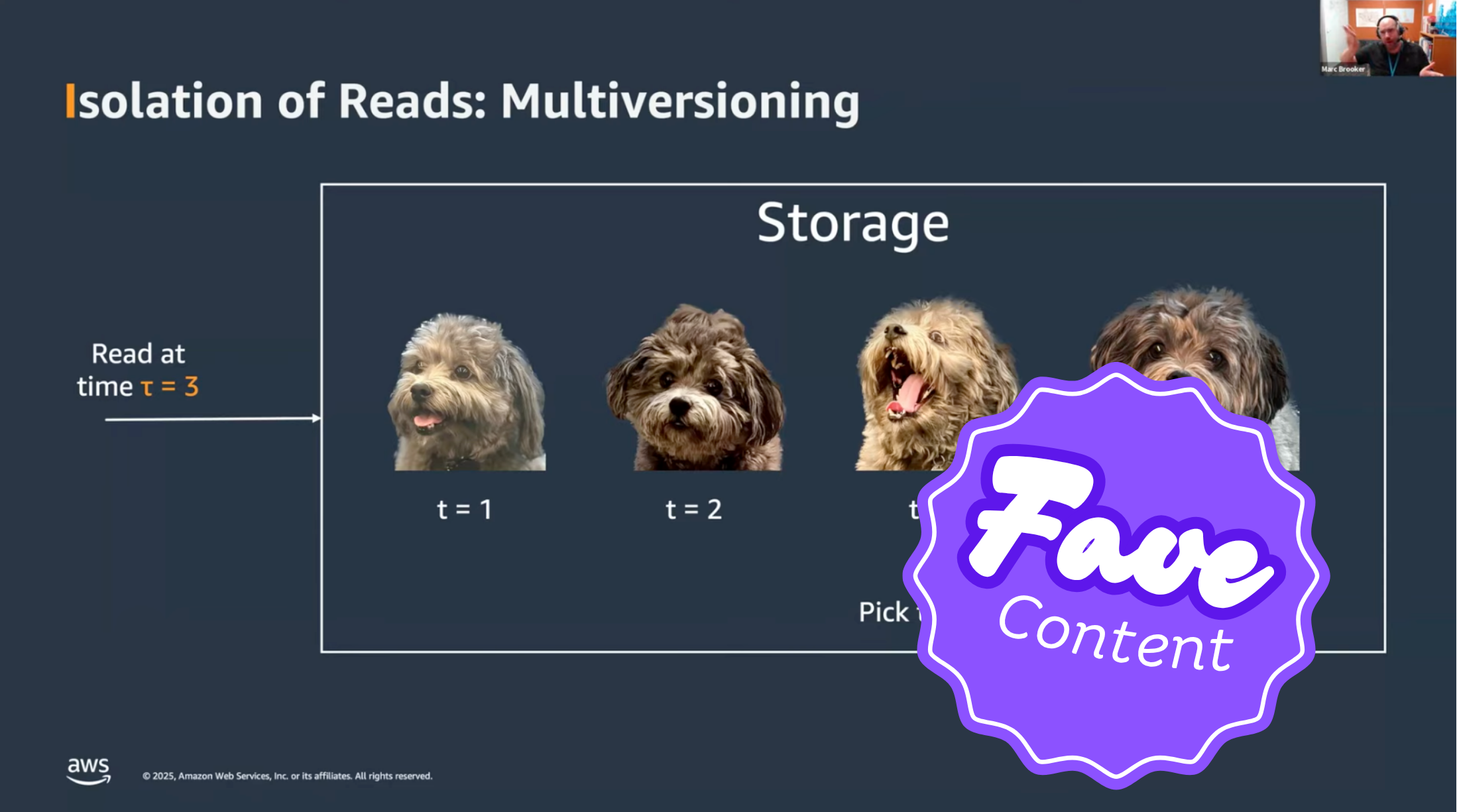
⭐ My favourite video this week was by Marc Brooker talking all things DSQL!
The StackOverflow podcast covers why “Vibe coding needs a spec, too“.
Kevlin Henney & James Lewis cover “The Way the Future Was“.
Marc Brooker talks about “Transactions and Coordination in Amazon Aurora DSQL“.
The Prime covers “Microsoft keeps losing“.
The AWS Developers channel covers “60-Minute AI Coding Challenge: Building a Pictionary Game with Amazon Q Developer & Amazon Nova“.
Dan North discusses “We’re Ignoring The REAL Cloud Supply Chain Issue“ on the Modern Software Engineering channel.
Jeevan Dongre covers “Containerization ≠ Modernization: Kick-Start Your Transformation Journey“.
Weekly Case Study 🔍
This week’s case study comes from Yelp:
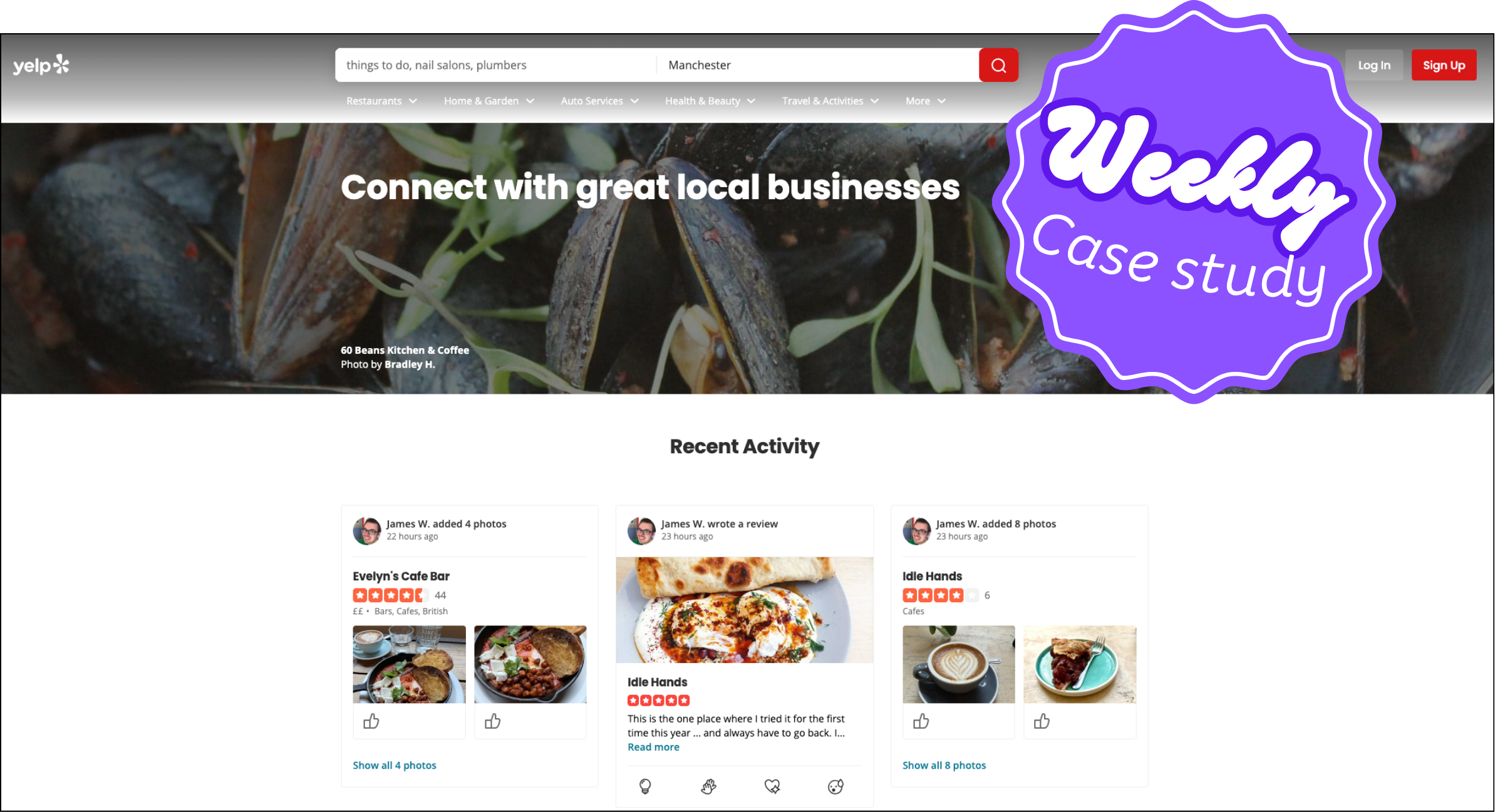
Facing challenges with their legacy pipeline (self-managed Kafka, 4–5 topic hops, 18-hour analytics delay, proprietary CDC format, and high operational overhead), they switched to a stack built on Amazon MSK (for ingest), Apache Flink on EKS (for compute), Apache Paimon (for streaming-native table storage), and Amazon S3 (for cheap, durable storage).
This redesign cut their analytics latency from ~18 hours to just minutes, shrank storage costs by 80%, removed Kafka as permanent storage, and enabled powerful features like schema evolution, time-travel queries, and SQL access over streaming data. They also standardized on open-source (Debezium CDC), improved governance via AWS Lake Formation, and simplified the whole system, reducing custom tooling and boosting reliability.
🗣️ Inspirational Quotes and Thoughts
This week’s inspirational quote is by Tony Hoare, also known as C. A. R. Hoare, who is a British computer scientist who has made foundational contributions to programming languages, algorithms, operating systems, formal verification, and concurrent computing:

“There are two ways of constructing a software design. One way is to make it so simple that there are obviously no deficiencies. And the other way is to make it so complicated that there are no obvious deficiencies.”
- Tony Hoare.
I love this quote, as I preach this to the teams in my AWS Practice, which is always to strive for simplicity, whether that is process, code, or system architecture.
What are your own thoughts and experiences of this quote? Feel free to leave a comment below.
🗳️ Poll of the Week
In last week’s poll, we asked the question “What kind of desk do you work from?”.
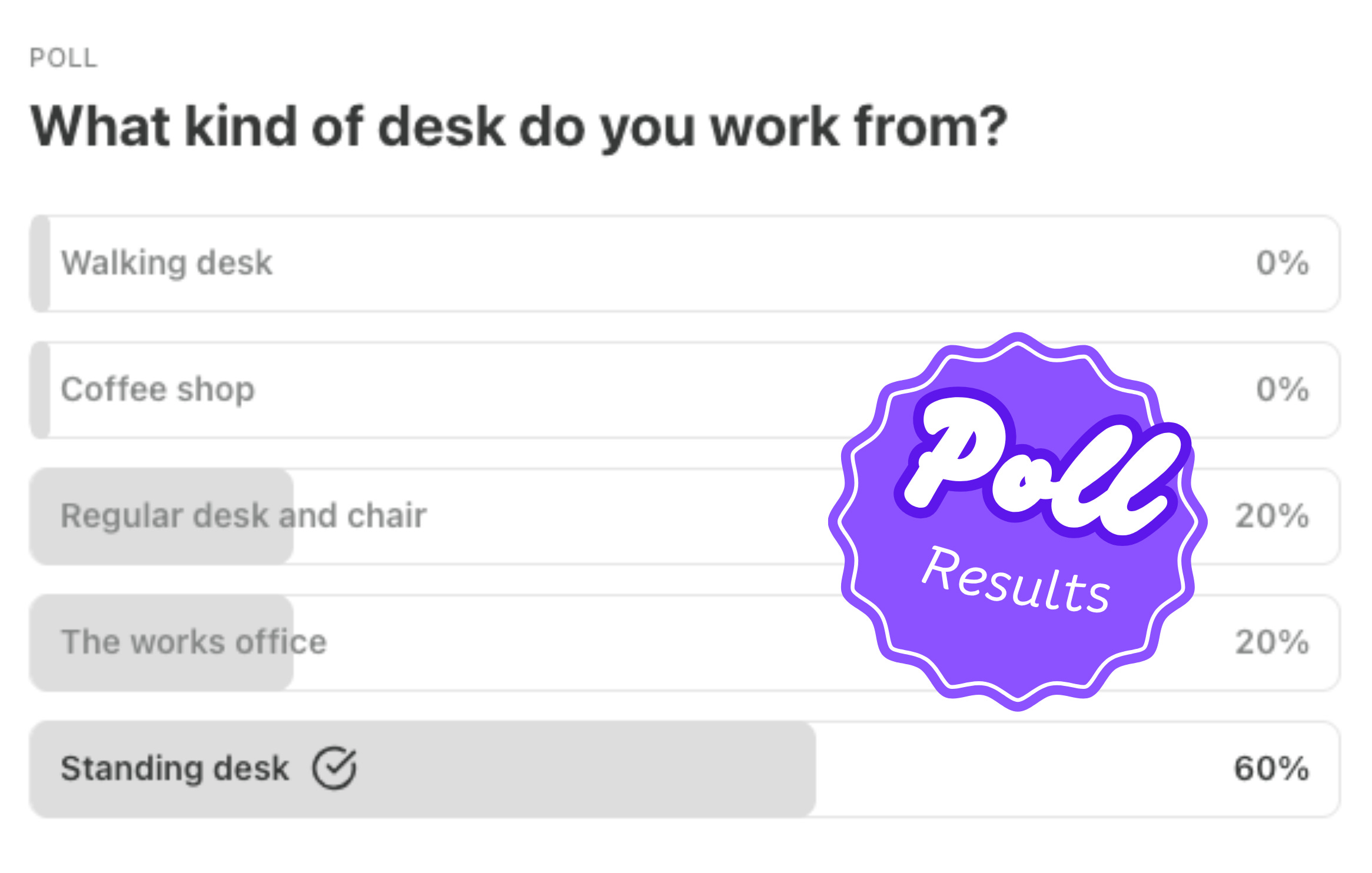
Interestingly, 60% said a standing desk, with 20% saying the works office, and the remaining 20% saying a regular desk and chair. Personally, I have a hybrid of walking desk, which I can use as a standing desk, and I also have a chair for when I want to sit.
This week, we ask the question: “What tool do you use for architecture diagrams?”.
Please feel free to leave a comment below on your answer.
📅 Serverless Events
The following serverless events are upcoming, so mark your calendars.
AWS re:Invent 2025 - 1st - 5th Dec 2025
Would you happen to have any upcoming events that you would like to highlight? Message me below!
⭐ Spotlight
This week’s spotlight falls on AWS Hero Kenta Goto!

Kenta is an AWS DevTools Hero from Tokyo, AWS CDK top contributor, community reviewer, maintainer of the Open Constructs Library, a Community-Driven CDK Construct Library, and a fantastic blogger.
I absolutely love the concepts and areas that Kenta covers in his DevTo articles, as we often cover the same concepts in different ways - and I have also learned a lot from these over time. If you are a fan of the AWS CDK, like myself, you should go check out Kenta’s work!
Thank you for everything you do for our amazing community kenta!
Thank you for reading the latest Serverless Advocate Newsletter!
If you want to find out a little more about me, please have a look at:
https://www.serverlessadvocate.com/
See you next time,
Lee

Love this!