

#54 OpenSource Galore! 🧩
This week, our expert is Founder and Principal Engineer Lorcan O'Flynn, our spotlight falls on AWS Serverless Hero Matthieu Napoli, and we look at the latest service releases, news, articles, & more!


Welcome
In last week’s issue, our serverless expert was AWS Senior Solutions Architect Urmila Raju, and our spotlight fell on AWS User Group Leader Tom Misiukanis!
This week, our serverless expert is Founder and Principal Engineer Lorcan O'Flynn, our spotlight falls on AWS Serverless Hero Matthieu Napoli, and we look at the latest AWS service releases, blog posts, hints and tips, news and more!
This week’s newsletter is sponsored by Leighton.
🎟️ Tickets are available for the AWS North Community Conference, which I am helping organise, so go check it out! Check out the speakers here

📰 Articles that caught the eye
Here are some stand-out articles I read during the week in the World of Serverless, AI, Engineering and Architecture!

⭐ My favourite this week was by friend of the newsletter Pubudu covering the different ways we can wire up EventBridge with SQS in various scenarios.
Pubudu Jayawardana covers ‘EventBridge to SQS when cross region and cross account‘, in this back to basics, but thorough article.
David Boyne asks the question, “Do we need another diagram tool? Maybe not… But I think we can do better?“.
Danilo Poccia discusses “Visualizing AI Agent Memory: Building a Web Browser for Amazon Bedrock AgentCore Memory“.
Ravi Teja Thutari has a great article titled ‘What We Learned Migrating to a Pub/Sub Architecture: Real-World Case Studies from High-Traffic Systems‘.
Another from Danilo, this time covering “Token Counting Meets Amazon Bedrock“.
Vadym Kazulkin covers ‘Amazon Bedrock AgentCore Runtime - Part 5 Using Custom Agent with Spring AI‘ in his series.
Maira Ladeira Tanke covers “Move your AI agents from proof of concept to production with Amazon Bedrock AgentCore“.
Daniele Frasca has a great article titled ‘When (Not If) Containers Misbehave‘.
Jason Conway-Williams covers ‘Building Better CDK Stacks: Organise Resources for Faster and Safer Cloud Delivery‘ in this great article.
🎓 Ask the Expert
Each week, I ask a different serverless expert the same three questions to get their personal insights - this week, we have Founder and Principal Engineer Lorcan O'Flynn:

Opinions are the author’s and do not express the views of their employer.
1. What is one common mistake you see teams making when implementing serverless solutions, and how can they avoid it?
Racing from dev to production without budget alerts or financial guardrails!
Pay-per-use is one of the key characteristics and benefits of “Serverless” offerings, but it's best to be prudent and introduce the right controls early on. Rogue functions, DDoS attacks, and even trusted third parties can inadvertently make excessive requests, which can quickly turn a key benefit into an unexpected expense.
As Werner Vogels famously said, “Everything fails, all the time”! Building Serverlessly, we’ve been afforded the building blocks to get there more quickly, scale as the business scales, and so on; however, as always, the design is on us, and designing systems for resilience is a must.
Some of the ways to avoid these cost overrun issues is to design your applications with fundamental operational foundations and cost controls in place, and most require minimal overhead.
Examples include (but are not limited to):
Create billing alarms for each service/account/environment at increasing thresholds, and send notifications to email, Slack, SMS, etc.
Implement reserved concurrency for your functions. This Lumigo article covers the topic of concurrency in general quite well here.
In addition to notifications, trigger an automation when a budget alert is received. E.g., an event-driven lambda function to disable/reduce/scale in/shut down services to quickly minimise the impact of cost overruns.
The drastic hard stop: To take it a step further, you can automatically move accounts where these issues arise to a “Restrictive OU” with strict SCPs that prevent new resource creation and other similar actions. This blog post covers the topic here.
All of this helps assure teams, but can also provide confidence to management that things won’t spiral out of control, and if they do, a mitigation plan is in place.
2. Which serverless tool or service are you most excited about right now, and why?
There are numerous options to choose from lately; cloud vendors and the Serverless community have innovated at a rapid pace for years, and this trend has only accelerated in the new AI-enabled era.
As practitioners I think we're lucky to have gained the experience of building Serverlessly, as we now have the opportunity to continue to utilise that same expertise, tooling, and techniques while embracing the AI era (and any other era that comes after for that matter!); This is true whether that involves building AI-based product offerings or incorporating AI into your Serverless development workflow.
A great example of this is the work David Boyne is doing with Event Catalog.
It’s impressive to watch him build in public, adopt the AI tooling of the day, make significant progress, and share his journey along the way, both the good and the bad.
I was an early adopter of EC version one and a keen advocate for several organisations I worked with some years ago. A tool that creates visibility for both product managers and engineering teams in complex EDA architectures across an organization was an easy recommendation to make!
I’ve since watched it evolve into an incredibly comprehensive product offering. I’m excited to see where he takes it from here.
Quick mention also to the work the Strands SDK team has done. I’ve begun to dabble on the side, and the potential is exciting.
3. What is your favourite trick or tip when working with serverless that the readers may find interesting?
I’ve been immersed in building with AWS CDK for about 18+ months, and although I was a skeptic (and a strong Serverless Framework advocate) many years ago, it's now my IaC tool of choice due to the active community, mature eco-system, its backed by AWS, and the ability to build from organization foundations right up to the application stack with a unified approach without the burden of context switching between tools.
It has been argued that CDK’s flexibility and ability to allow engineers to be overly expressive (see here), can present itself as a hindrance due to a lack of standardisation or stated means to achieve an outcome. I completely understand this argument by Yan, and it's something to continuously keep in mind as we build with AWS CDK.
However, builders can avail of projen.io for project structure, CDK-nag, Serverless-CDK-nag and language-specific linting tools to start off with a standardised project scaffolding with added rules and guardrails.
With this in hand and an awareness of the pitfalls of being overly elaborate or creative, one of CDK’s apparent weaknesses in fact then becomes one of its greatest strengths.
Example (and favourite tip currently): Baking observability into your application constructs (Lambda, DynamoDB etc) and toggling on/off on a per-environment basis or indeed at a resource level as a function is instantiated/declared.
The author of this newsletter wrote a reference article on the topic, which can be found here. This is not as easily achievable as with other frameworks/tools;
The tip: Although it's easier to be a little creative, keep it simple, readable, easily maintainable, don’t be too elaborate, and always think of the next person!
✅ Bonus tip: join the hashtag#believeinsls discord! There is a community there to answer any questions you may have without getting overzealous on serverless or without judgment! Check it out!…
🧠 Tips & Tricks
This week’s tip or trick comes from me!

Did you know I have my own free to use searchable patterns registry with 107 detailed articles and open-source code repositories covering everything from DDD to event driven architectures, covering most of the AWS serverless services that you would use day to day, and some of which also have associated YouTube videos? Go check it out!
🚀 New Releases
Here are the latest and most interesting releases this week in the AWS World:
⭐ This week, my favourite service releases were the introduction of DeepSeek and Quen models into Amazon Bedrock! Looking forward to trying these out!
Amazon OpenSearch Service now supports OpenSearch version 3.1.
Amazon OpenSearch Ingestion now supports cross-account ingestion.
AWS Lambda Now Supports Cross-Account Container Images in GovCloud Regions.
AWS Step Functions expands data source options and improves observability for Distributed Map.
Amazon Q Developer CLI announces support for remote MCP servers.
AWS Organizations supports full IAM policy language for service control policies (SCPs).
Amazon CloudWatch launches Cross-Account and Cross-Region Log Centralization.
🔥 Tip: Check out https://aws-news.com/ for the very latest up-to-date serverless releases as they happen, created by the talented AWS Serverless Hero Luc van Donkersgoed.
✖️ Social of the Week
This week’s social is by friend of the newsletter, David Boyne, who has released EventCatalog Studio!

It has been fantastic to see David build in public since leaving AWS, what he has achieved, and the constant throughput of innovation and new features in the EDA space. Kudos!
Have you tried using it yet? How are you finding it? Feel free to leave a comment below.
👷🏻 Tools & Frameworks
Check out the latest open-source frameworks, news, and tool updates from the past week.

CDK Booster - my friend Marko at ServerlessLife has created a neat tool to boost those CDK builds. CDK Booster bundles all Lambda functions created with NodejsFunction construct at once and produces separate assets for Lambda handlers exactly the same as the CDK framework.
Amazon Q Developer CLI WebUI - Paul Santus has created a Modern, Production-Ready Interface for your remote and mobile vibe-coding. Vibe-code from anywhere, even on your mobile, leveraging a secure connection to Amazon Q Developer running on your computer!
ttok4bedrock - Token counting for Amazon Bedrock models - drop-in replacement for ttok with exact CLI/SDK compatibility.
DuckDB 1.4.0 LTS - This is an LTS release with one year of community support, and it packs several new features including database encryption, the MERGE statement and Iceberg writes.
Tessl - makes agents capture intent in specs before coding, aligning you and the agent on what to build.
AWS Neuron SDK 2.26.0 - AWS announces the general availability of Neuron SDK 2.26.0, delivering improvements for deep learning workloads on AWS Inferentia and Trainium-based instances.
😂 Just for Fun
This week’s post is by Oskar Dudycz on LinkedIn:

For any AWS TypeScript engineers that have wrestled with types you will know that the temptation is real…(don’t do it though, your future self will be happier!)
🎙️ YouTube & Podcasts
Here are some of my favourite videos and podcasts this week covering serverless, AI, architecture, and software engineering.
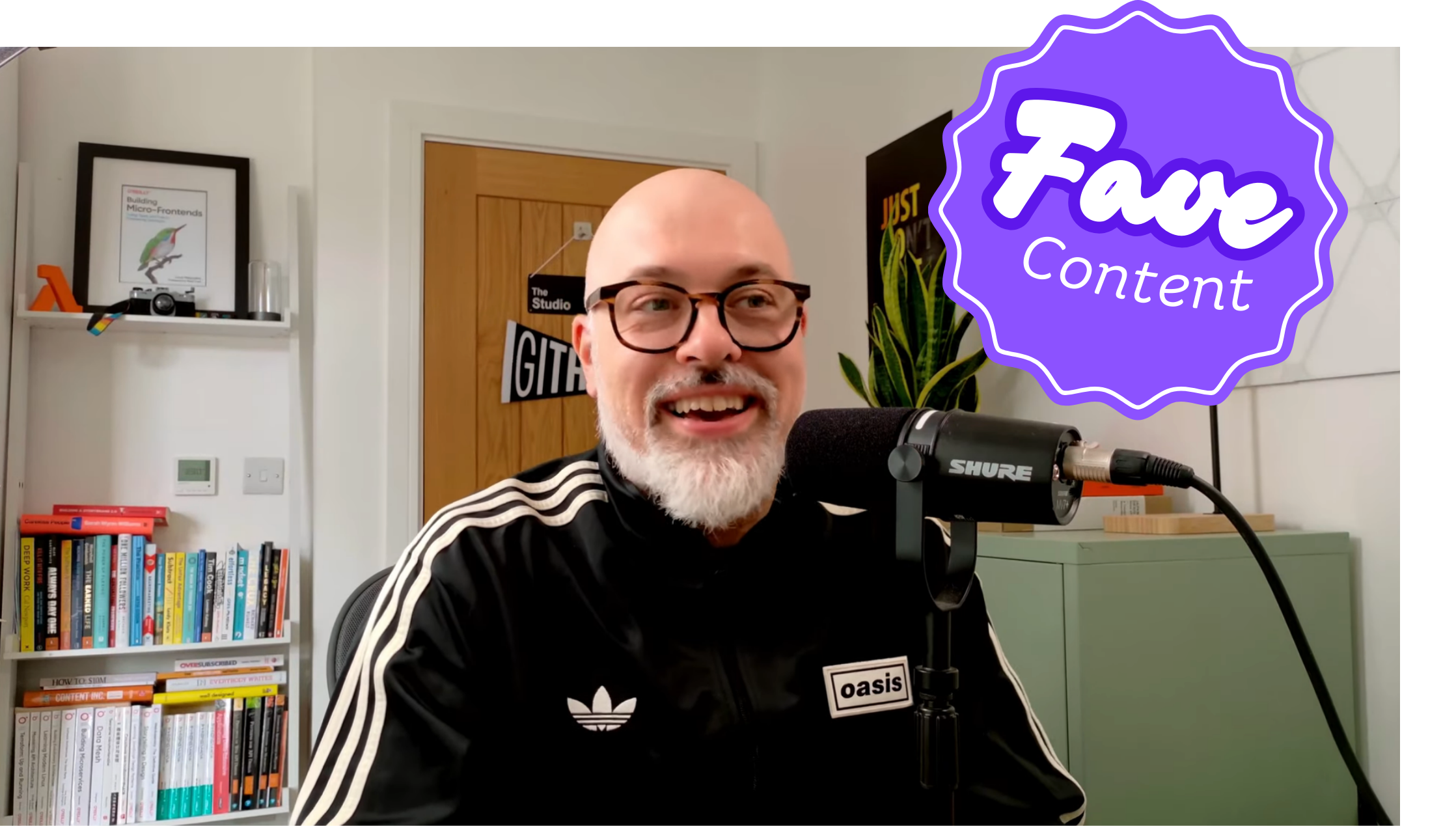
⭐ My favourite video this week was by Luca Mezzalira discussing Microfrontends in depth in this fantastic interview.
The Weekly Dev's Brew has Luca Mezzalira covering ‘Microfrontends: Cutting Through the Hype and Misconceptions‘.
The AWS Bites podcast covers ‘Headless CMS on AWS’.
The Believe In Serverless podcast with Allen and Andres cover ‘System prompts that make or break enterprise AI agents‘.
The AWS Developers podcast discusses ‘Building Fintech on AWS: How Zilch's Buy Now Pay Later Works‘.
The Modern Software Engineering channel interviews Dan North covering ‘The TRUTH About Cucumber & Behavior Driven Development (BDD)‘.
The vBrownBag podcast covers ‘LIVE - Heroes on Kiro!‘.
Mark Sailes and the Java In The Cloud channel discusses ‘How AWS Lambda Scales‘.
The Prime covers ‘Cloudflare in trouble’ in this interesting video, talking about how a simple React bug brought it down.
Weekly Case Study 🔍
This week’s case study comes from HubSpot, and how it scales image generation by 150% with Stability AI in Amazon Bedrock.

HubSpot faced the challenge of scaling image generation to meet growing customer demand, having previously set a limit of 120,000 images per month to prevent infrastructure overload.
To solve this, they used Amazon Bedrock together with Stability AI’s Stable Diffusion models, enabling users to generate high-quality, on-brand images via natural-language prompts as part of their Breeze tools. As outcomes, within four months HubSpot users generated 300,000 images, 150% more than the previous monthly cap, and the integration also drove record growth in customers using both the Content Hub and Marketing Hub together.
🗣️ Inspirational Quotes and Thoughts
This week’s inspirational quote is by Italian dramatist, novelist, poet, and short story writer, Luigi Pirandello:

“We think we understand each other, but we never really do“
Luigi Pirandello
I love this quote, as it shows that spoken language is imperfect, and each person interprets words through their own experiences, assumptions, and emotions, and typically views the conversation from their first-person perspective.
This is why I am such a big advocate of getting in a room with customers when building solutions, and using visual aids, process flows, discussions, event-storming, white-boarding, and other methods to really try to understand what they want (or think they want!).
What are your own thoughts and experiences of this quote? Feel free to leave a comment below.
🗳️ Poll of the Week
In last week’s poll, we asked the question “What is the biggest challenge of building agents in production workloads?”.
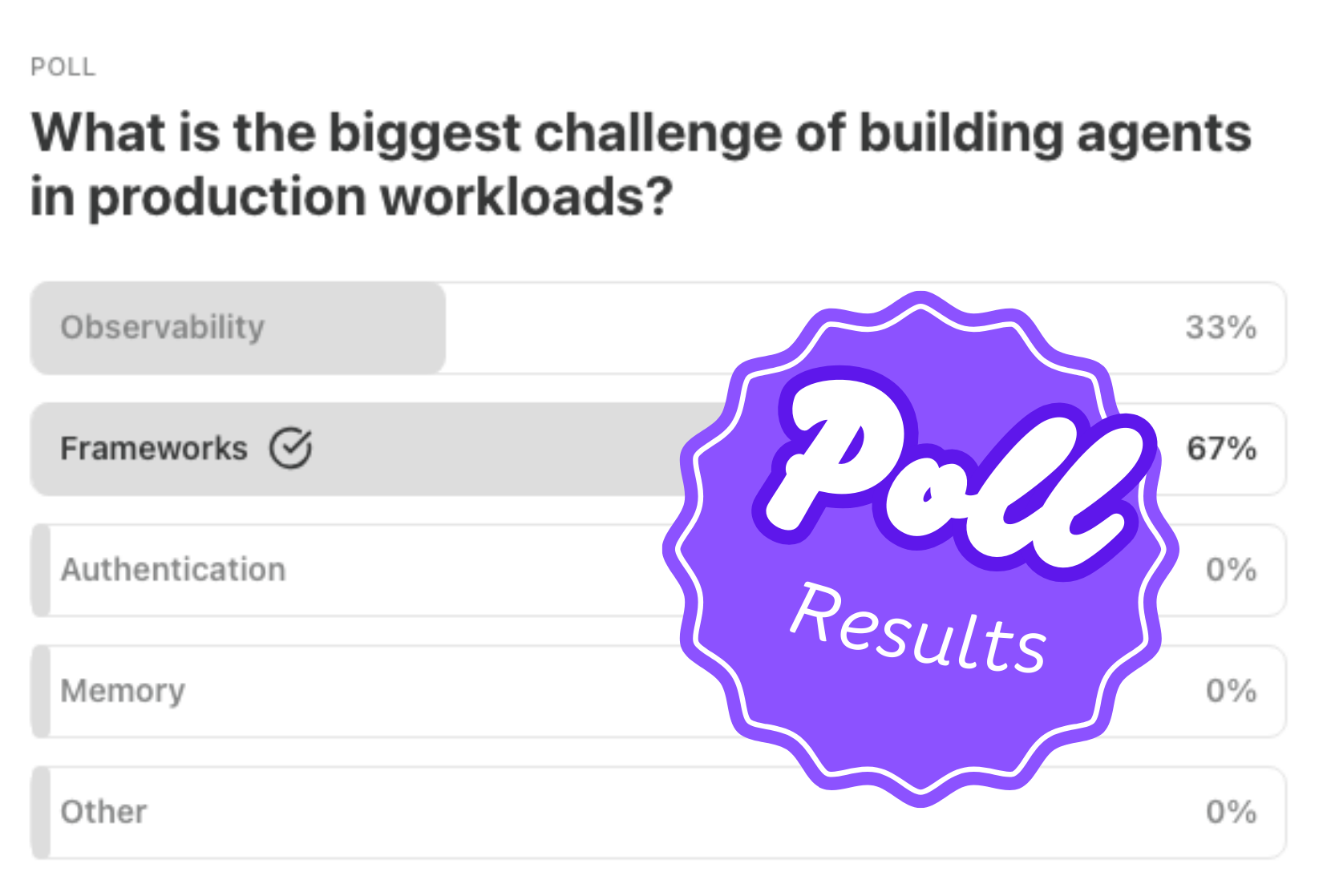
Interestingly, 67% said the frameworks on offer, and the remaining 33% said observability. I get it, having tried AgentCore for an example a few times now, that it still feels a little clunky and not mature enough, in my opinion.
This week, we ask the question, “Which format do you prefer to learn with?”.
Are you a person that likes bite-size modules in the form of short-form videos (1-12 mins in length each), or long-form video; or are you more of a book or article/blog person?
Feel free to leave a comment below on why you chose your answer and your experiences!
📅 Serverless Events
The following serverless events are upcoming, so mark your calendars.
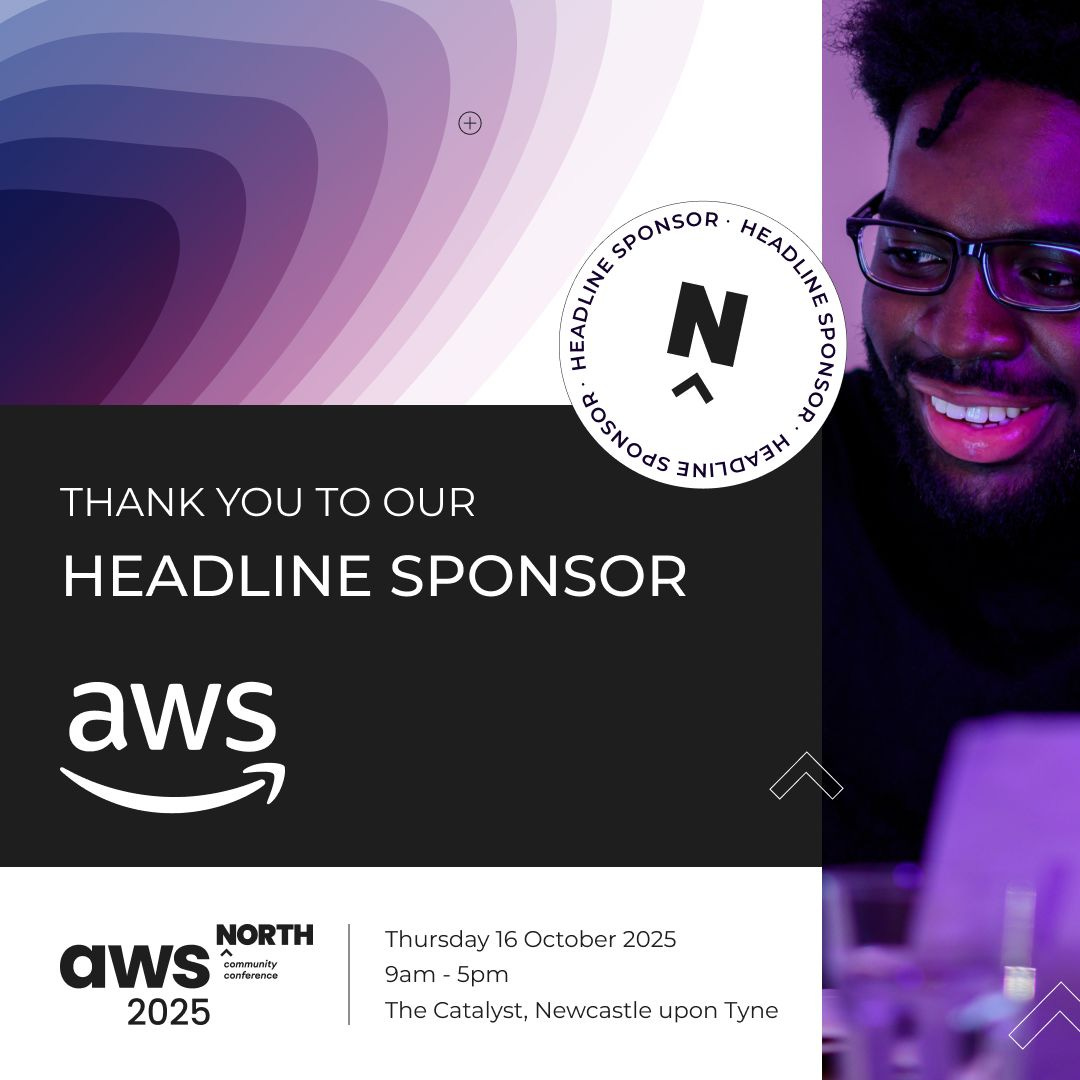
🎟️ To note, tickets are available for the AWS North Community Conference, which I am helping organise, so go check it out!
Other fantastic events happening soon:
ACD Portugal - 27th Sept 2025
ACD DACH - 7th Oct 2025
ACD Nordics - 10th Oct 2025
AWS North Community Conference - 16th Oct 2025
ServerlessDays Milano - 21st Oct 2025
ServerlessDays Cardiff - 23rd Oct 2025
Serverless Architecture Conference - 20th-22nd Oct 2025
ServerlessDays Sao Paulo - 5th Nov 2025
Do you have any upcoming events that you want to highlight? Message me below!
⭐ Spotlight
This week’s spotlight falls on AWS Serverless Hero Matthieu Napoli:

Matthieu is the creator of Bref (the serverless framework for PHP), an international speaker, open-source developer, author, consultant and AWS Serverless Hero.
At the time of writing, billions of requests, jobs, and messages have been handled through Bref solutions across thousands of companies, which is mind-blowing!
Thank you for everything you do for our amazing community, Matthieu!
Thank you for reading the latest Serverless Advocate Newsletter!
If you want to find out a little more about me, please have a look at:
https://www.serverlessadvocate.com/
See you next time,
Lee
